Loading
puzzle

Markets

Different businesses. Different pressures. Same need to be convincing

We work with companies selling to other businesses, to consumers, and to everyone in between. The audience changes and the commercial pressure changes. The job of the design does not: make the right thing clear, credible and easy to act on.

01 — Business to business

They have decided before they contact you

A business buyer does most of the work before you know they exist. They read, compare, forward a link to a colleague and build a shortlist — all of it without speaking to anyone. By the time an enquiry arrives, the decision is largely made.

So the site has to do the convincing on its own. That means saying what you actually do in the first screen, making a complicated offer legible without flattening it, and giving somebody enough evidence to put your name in front of their own boss.

  • Manufacturers
  • Industrial suppliers
  • Logistics
  • Consultants
  • Professional services
  • SaaS
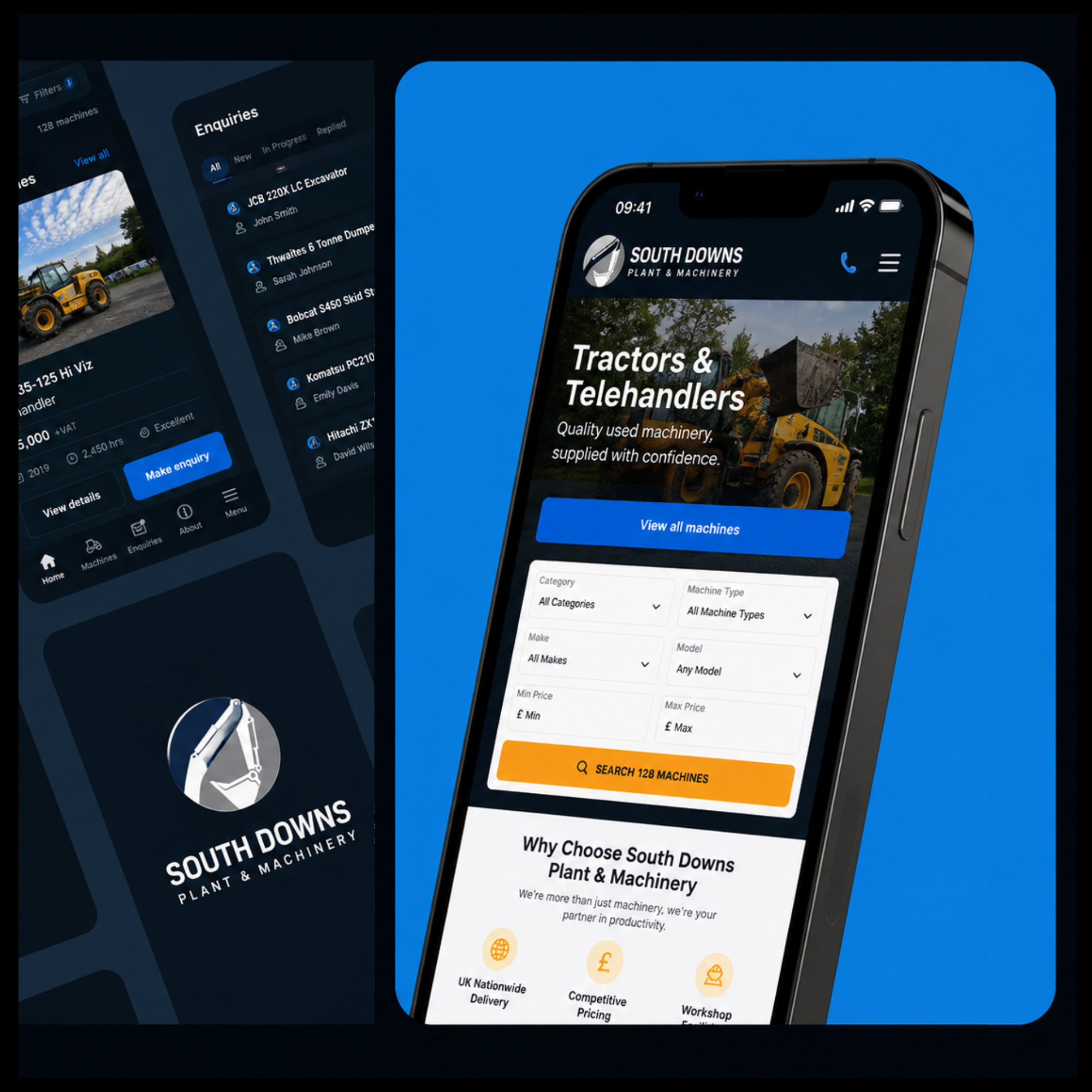
South Downs Plant & Machinery — the machine search, filters open beside the results

What decides it

  • Credibility established in seconds
  • Complex offers made legible
  • Specification and detail people can trust
  • A next step that is easy to take

Web design & developmentDigital product designUX & UI design

02 — Business to consumer

One visit, usually on a phone

Consumer businesses are judged fast and often once. Somebody finds you on a map or a search result, looks for a few minutes on a phone, and decides whether you seem like the sort of business that will turn up and do a good job.

Almost all of that is a trust problem rather than an information problem. Real photographs beat stock ones. A clear price beats an invitation to enquire for one. And the enquiry itself has to be two taps away from wherever somebody happens to be standing.

  • Clinics
  • Gyms and studios
  • Salons
  • Trades
  • Education
  • Leisure
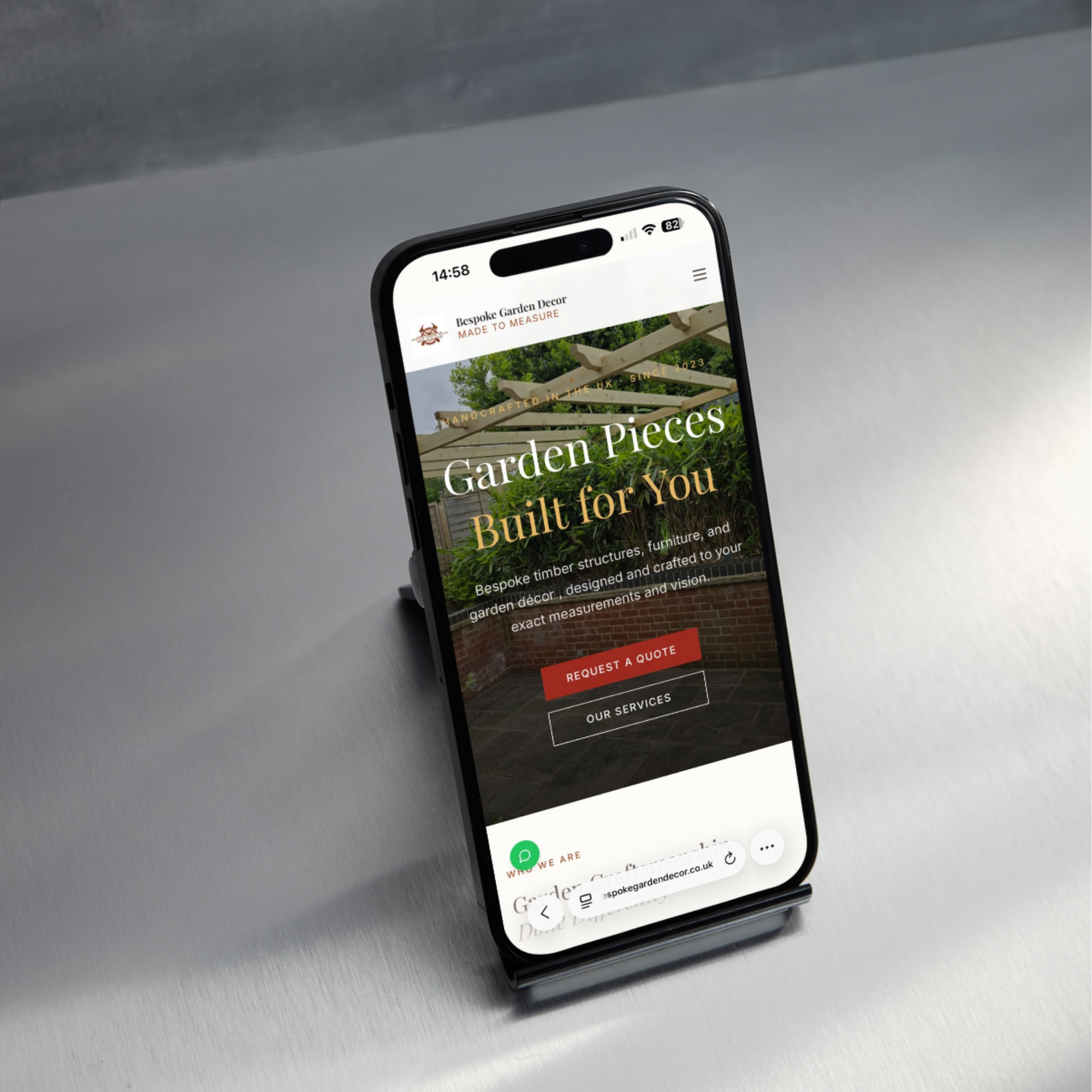
Bespoke Garden Decor — the homepage on a phone, its quote and services actions over a finished pergola

What decides it

  • A first impression that survives a small screen
  • Trust built from real evidence
  • Local and organic discovery
  • An enquiry route with no friction

Web design & developmentBrand identityUX & UI design

03 — Direct to consumer

Here the design is the shop floor

When the site is the sales channel, every design decision has a number attached to it. A product page that answers the wrong question, a filter that hides half the range, a checkout that asks for an account too early — each of those is measurable, and each is a design problem before it is a marketing one.

The other half is difference. Most storefronts are built from the same handful of themes, which makes the ones that feel like a brand rather than a template disproportionately memorable. That is where the identity work and the commerce work stop being separate jobs.

  • Fashion
  • Sportswear
  • Cosmetics
  • Homeware
  • Food and drink
  • Subscription
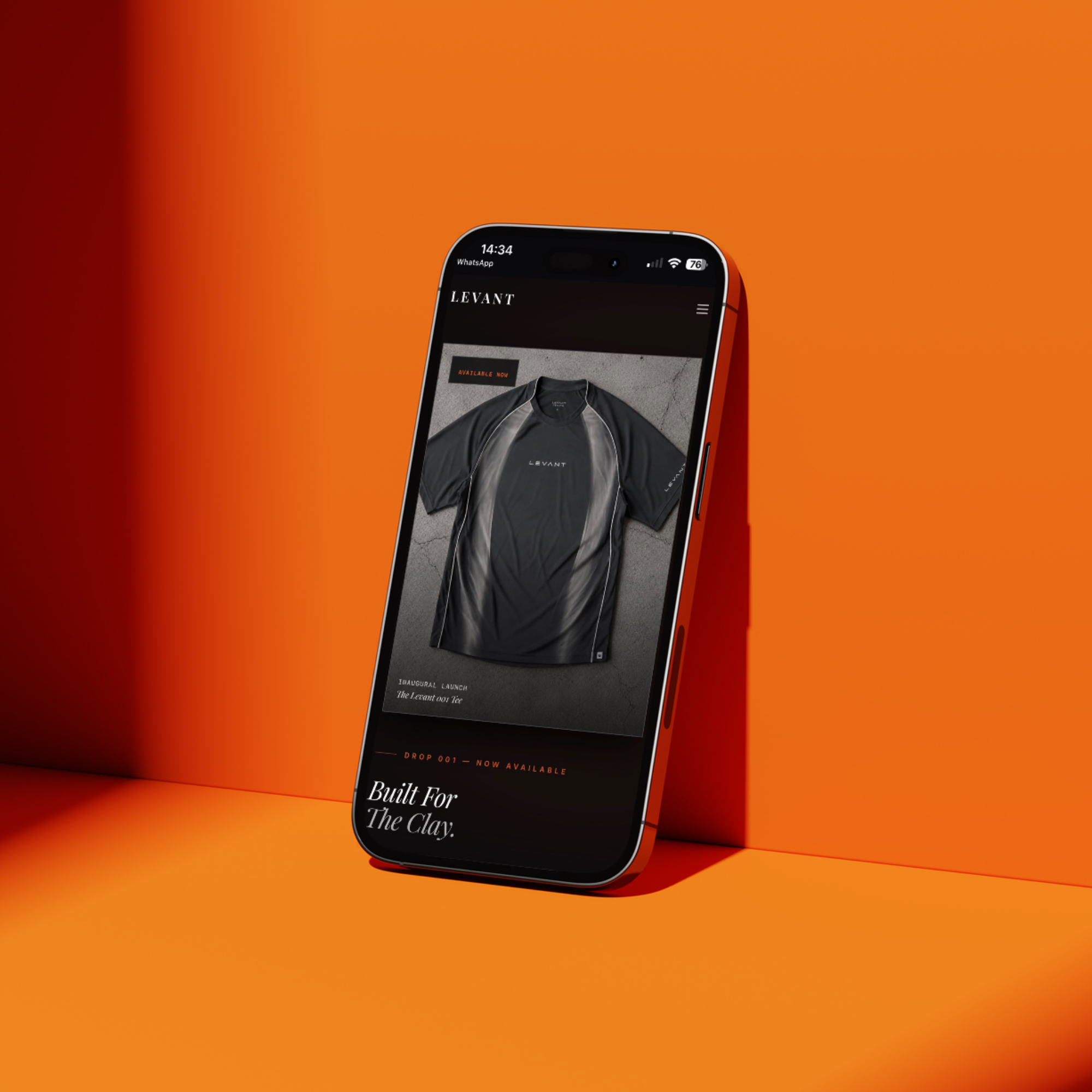
LEVANT — the 001 tee product page open on a phone against an orange set

What decides it

  • Product presentation that sells the thing
  • Discovery that reaches the whole range
  • Checkout friction removed, not decorated
  • Campaign creative that matches the store

Web design & developmentBrand identityUX & UI design

04 — Places people book

Sell the evening, then make it easy to book

Nobody books a table because the availability grid was well built. They book because something on the page made them want to be there — and then the booking did not get in the way.

So these sites are two jobs sitting on top of each other. The first is atmosphere: photography, pace, restraint, a sense of the place. The second is logistics: where it is, when it opens, what it costs, and a booking flow that works with one thumb on a train.

  • Hotels
  • Restaurants
  • Venues
  • Tourism
  • Events
  • Leisure

What decides it

  • Atmosphere carried by the imagery
  • Practical information that is never buried
  • A booking journey that holds on mobile
  • Credibility for somewhere people have not been

Brand identityWeb design & developmentUX & UI design

05 — Building the thing and the credibility at once

Explaining something that does not exist yet

New companies have a harder version of every problem on this page. There is no category to sit inside, no reputation doing the work in the background, and often no obvious comparison to explain the thing against. The design is carrying the credibility on its own.

What that needs is a system rather than a set of screens: an identity that will still hold in a year, a product that can grow without being redrawn, and components that survive the pace of a team shipping weekly. It is the work we are closest to, for reasons that are probably obvious.

  • Tech startups
  • Apps
  • SaaS
  • New consumer brands
  • Funded ventures

What decides it

  • Credibility before there is a track record
  • A new idea explained in one screen
  • MVP that can become a mature product
  • Design that keeps up with weekly releases

Digital product designBrand identityAI designRetainer

Not sure where you fit?

That is fine. Tell us what you sell, who you sell it to, and what needs to change.

Across all of them

The market changes the problem. The pieces stay the same

A machinery dealer and a clothing label want opposite things from a homepage, and both of them need structure, a system and someone to build it properly.

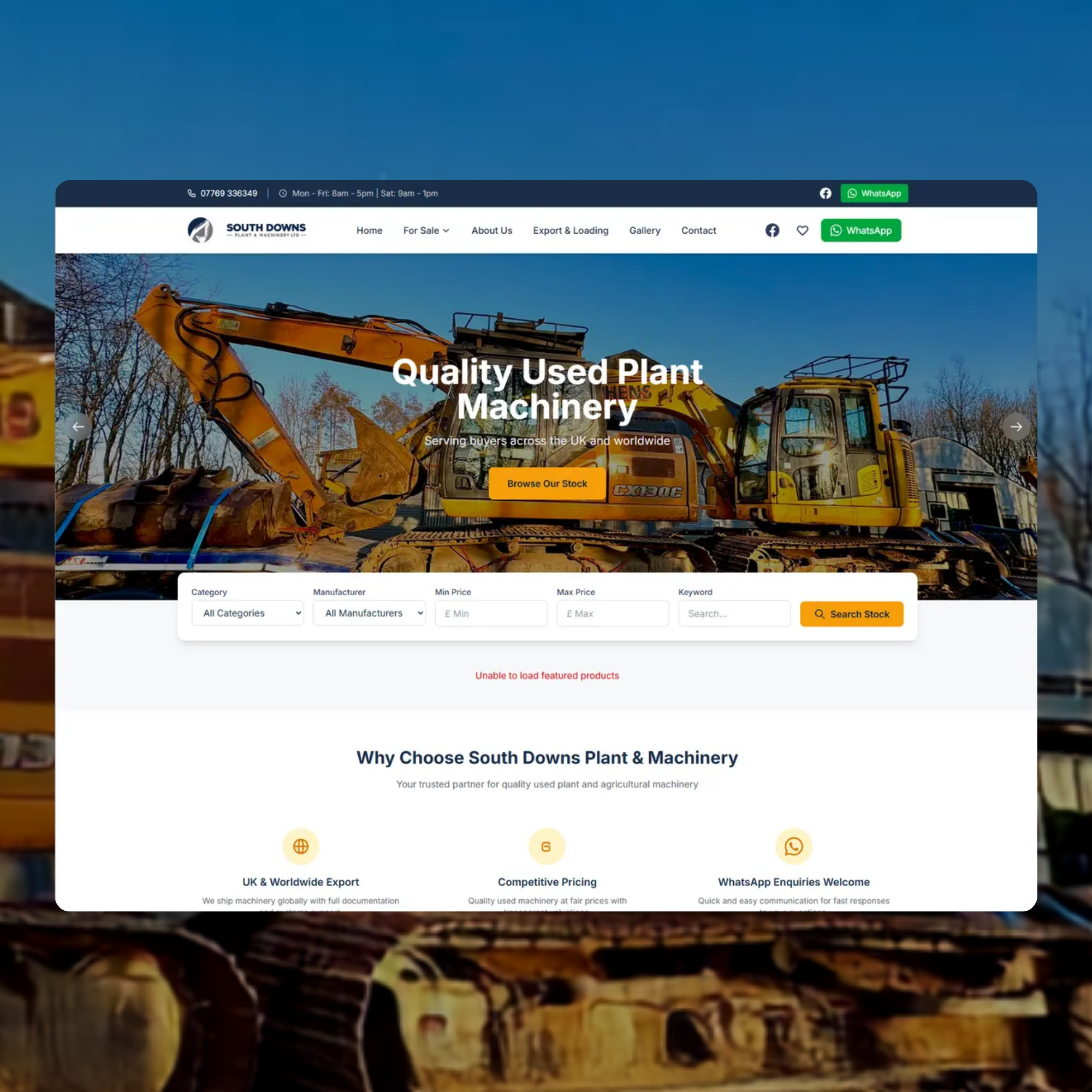
South Downs Plant & Machinery — the homepage, its machine search over a working yard
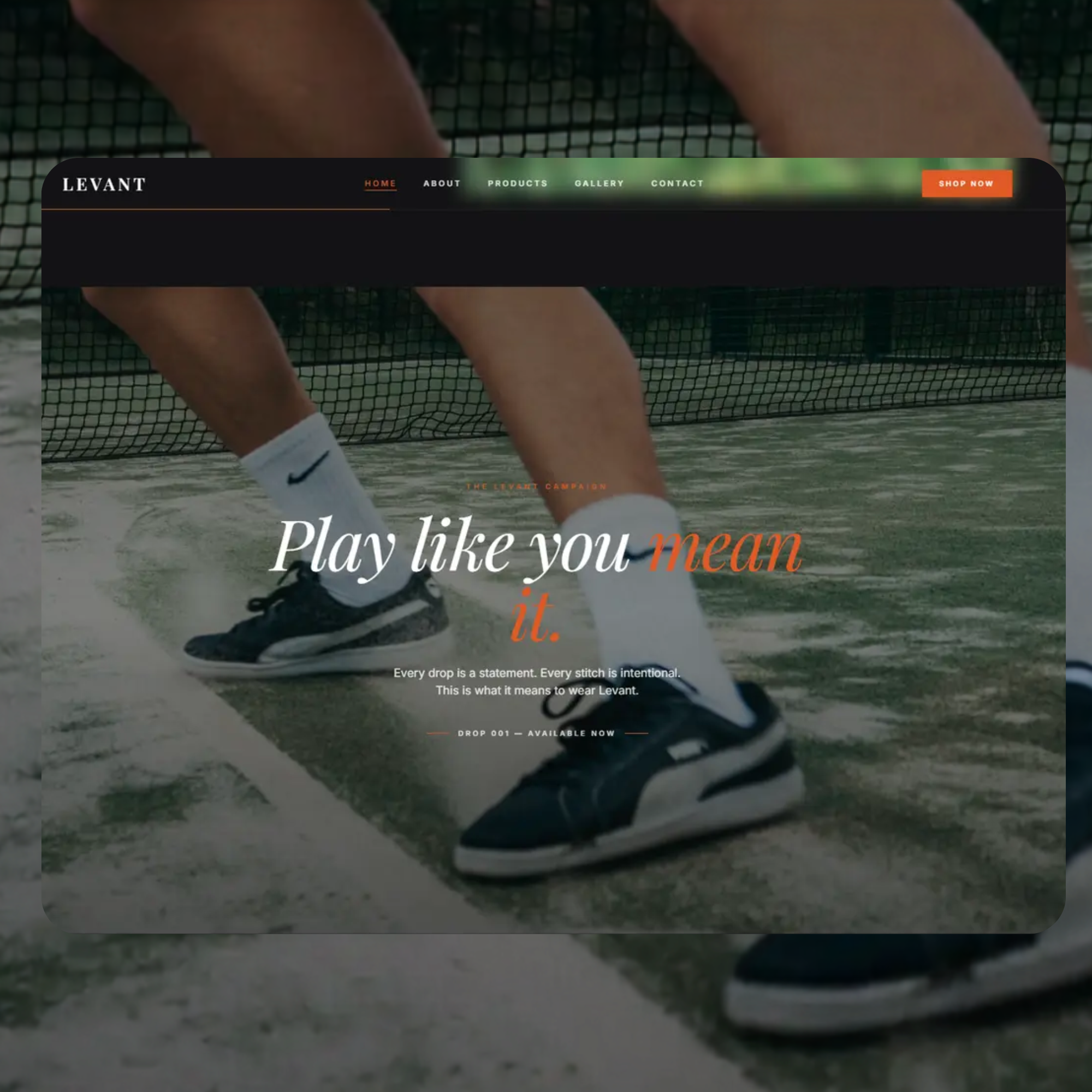
LEVANT — the campaign site, its headline set over footage from the court
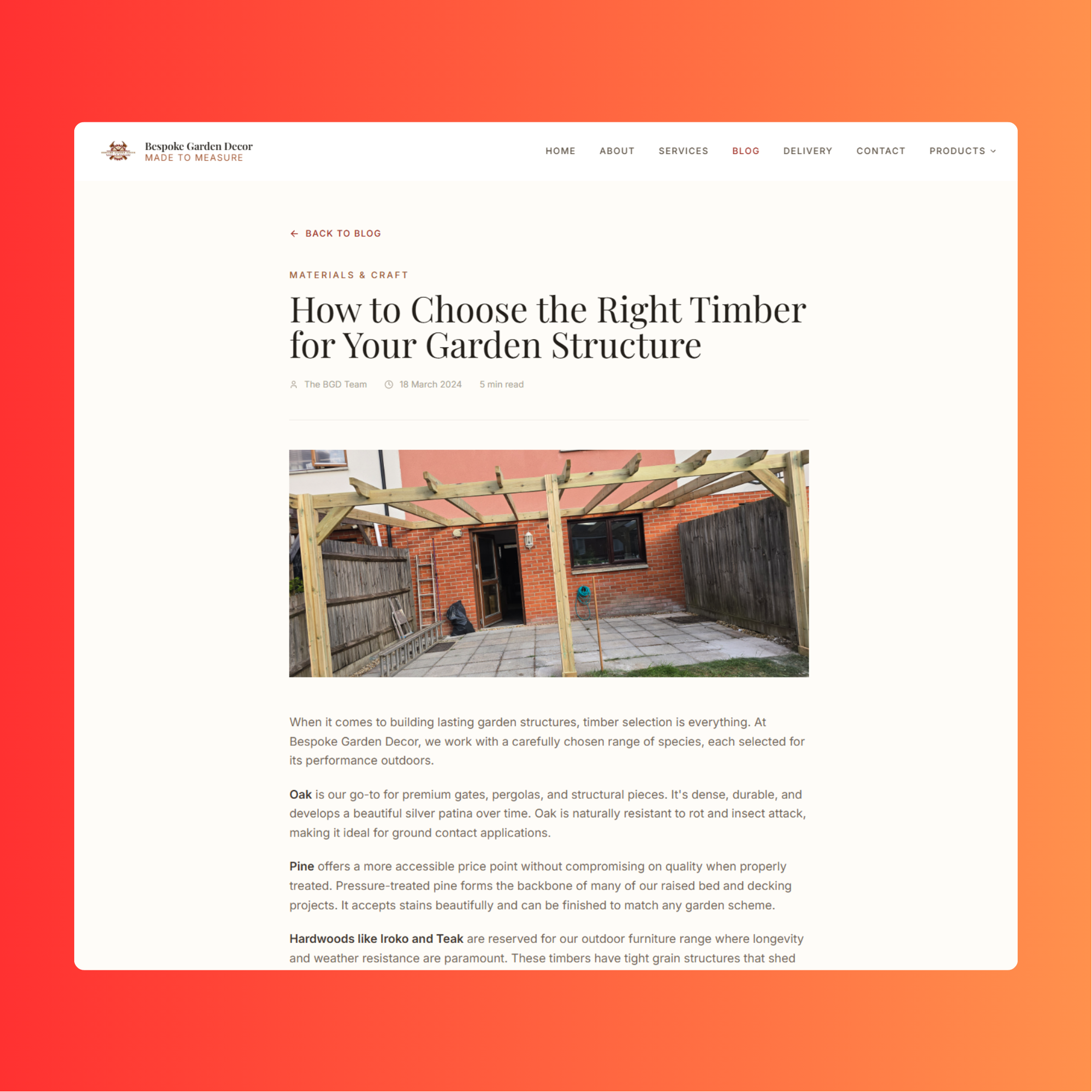
Bespoke Garden Decor — the journal index, its articles set as illustrated cards
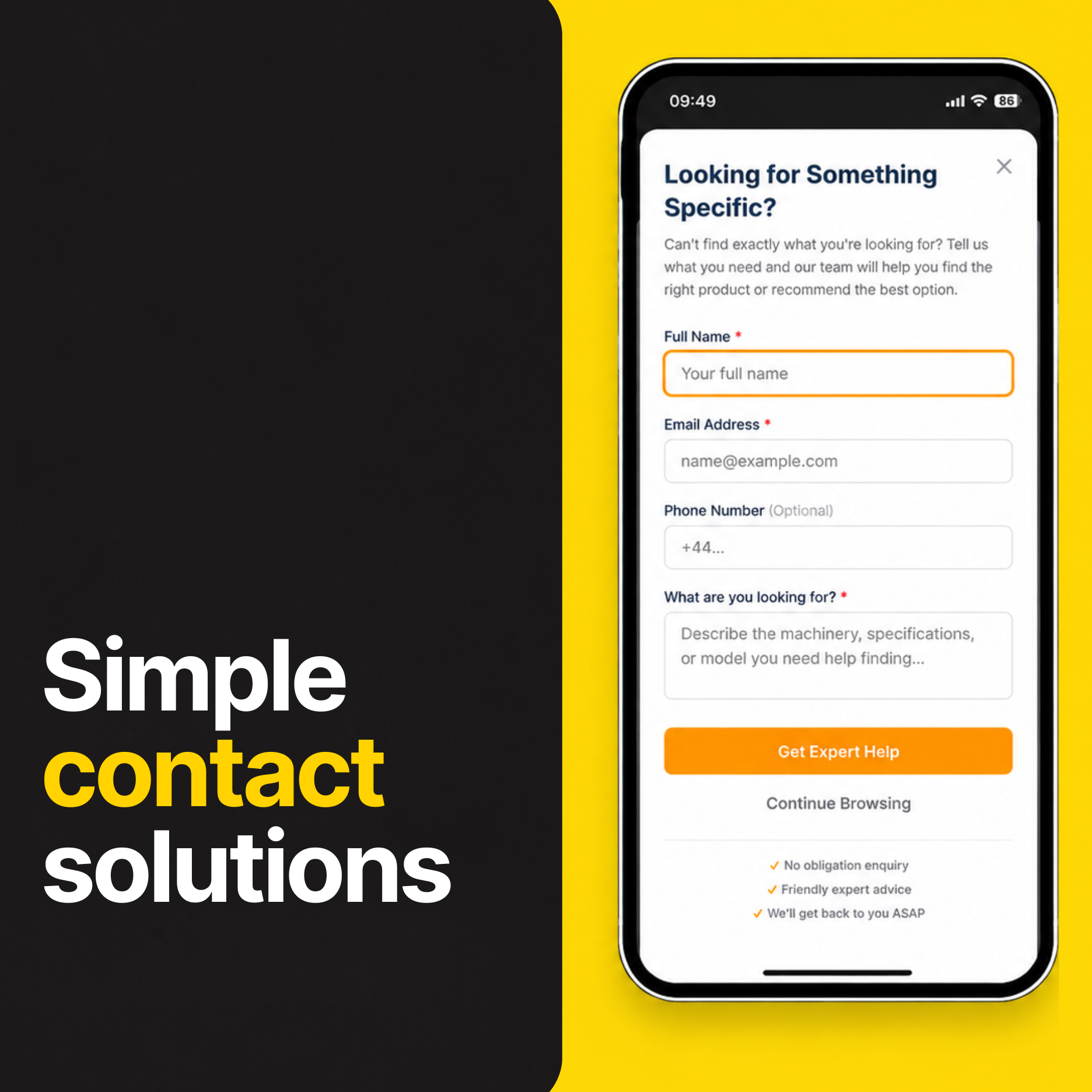
South Downs Plant & Machinery — the export enquiry sheet, its steps in black and yellow

Want to book an intro meeting with us?

Tell us what you sell and who you sell it to, and we will tell you what the work looks like.